

Performance Marketing: The Ultimate Growth Engine for Modern Businesses
In today’s fast-moving digital landscape, businesses are no longer satisfied with just visibility or brand awareness. They want measurable growth, real leads, and actual revenue. This is exactly plays a critical role. Unlike traditional advertising, performance marketing focuses on outcomes, not assumptions.
Whether you are a startup, an e-commerce brand, a service provider, or a SaaS company, It helps you scale your business with clarity, control, and confidence. In this blog, we will explore, how it works, why it matters, and how it can transform your digital growth strategy.
What Is Performance Marketing?
Performance marketing is a results-oriented digital marketing approach where advertisers pay only when a specific action is completed. These actions can include clicks, leads, sales, app installs, or sign-ups. The core idea is simple: every marketing rupee spent must deliver measurable performance.
Unlike traditional marketing, where results are difficult to track, relies on real-time data, analytics, and conversion tracking. This allows businesses to understand exactly what is working and what is not.
Performance marketing ensures transparency, accountability, and high ROI, making it one of the most effective digital marketing strategies today.
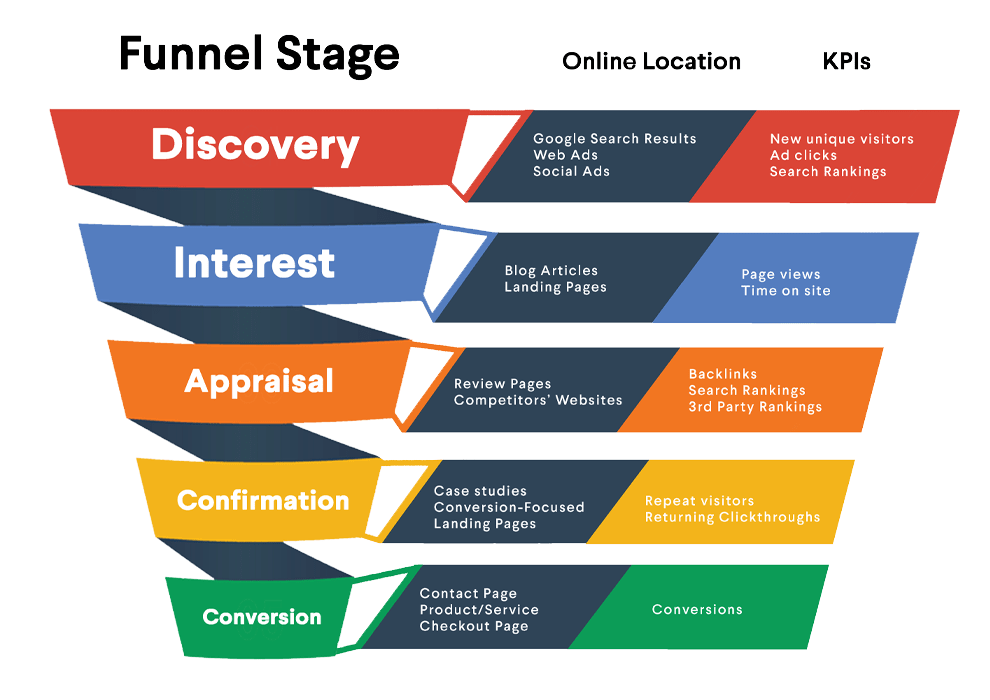
1. Goal Setting
Every campaign starts with clear goals such as cost per lead, return on ad spend, or conversion rate. These goals define success.
2. Audience Targeting
It allows precise targeting based on demographics, interests, behavior, and intent. This ensures your ads reach the right audience at the right time.
3. Campaign Execution
Ads are launched across various performance marketing channels such as search engines, social media platforms, and display networks.
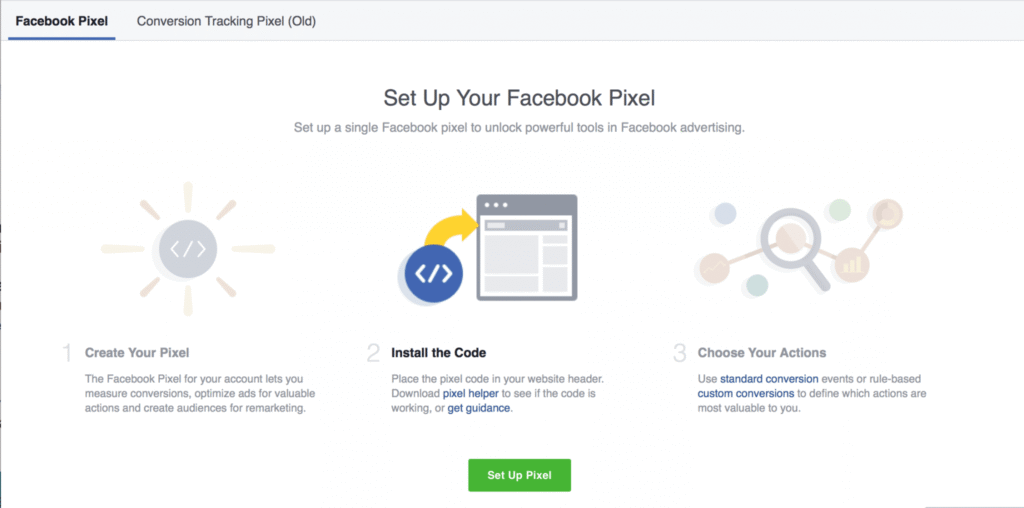
4. Tracking & Measurement
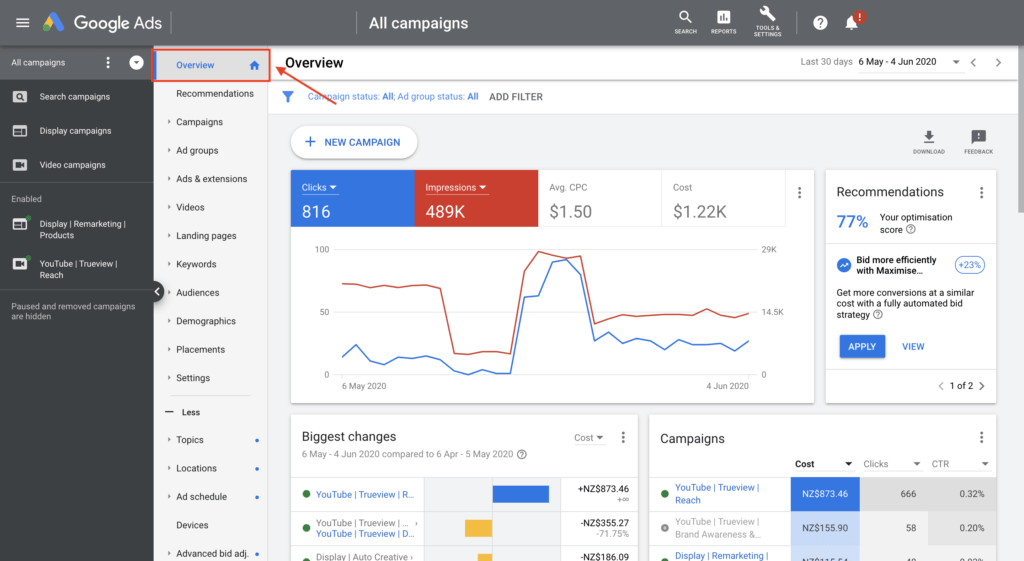
Advanced tools track every click, impression, and conversion. This is the backbone of marketing.
5. Optimization & Scaling
Based on data insights, campaigns are continuously optimized. High-performing ads are scaled, while underperforming ones are improved or paused.
Key Channels in Performance Marketing
Paid Search Advertising
Paid search is a major pillar of marketing. Businesses bid on high-intent keywords and pay only when users click on ads.
Social Media Advertising
Social platforms are powerful performance marketing channels. With advanced targeting, brands can drive leads and sales effectively.
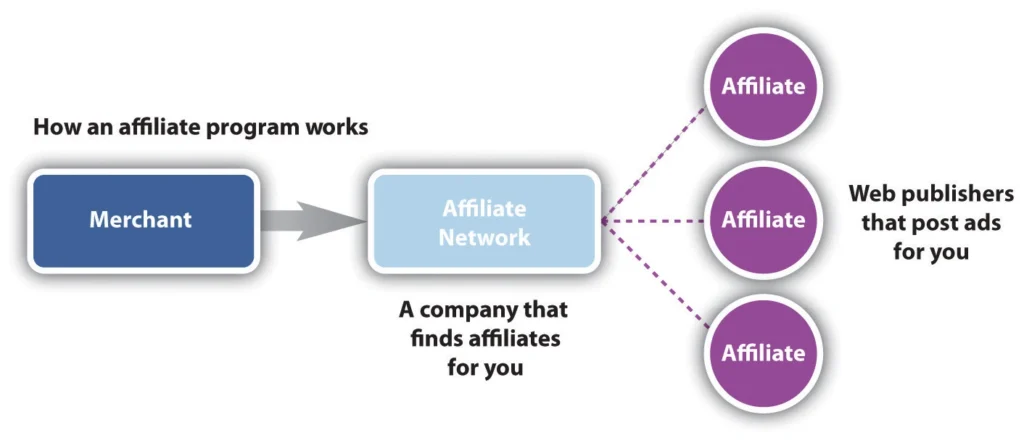
Affiliate Marketing
Affiliate partnerships are performance-based by nature. Brands pay commissions only when conversions happen, making affiliate marketing a strong marketing strategy.
Display & Native Advertising
Display ads support by driving awareness and retargeting users who didn’t convert initially.
Retargeting & Email Marketing
Retargeting and email campaigns help convert warm audiences into customers.
Benefits of Performance Marketing
All offers several advantages that make it superior to traditional advertising:
- Pay only for results
- Complete transparency in data
- Easy ROI tracking
- Scalable growth opportunities
- Better budget control
- Data-driven decision making
Because performance marketing is measurable, businesses can confidently invest more in strategies that deliver results.
Performance Marketing vs Traditional Marketing
| Performance Marketing | Traditional Marketing |
|---|---|
| Data-driven & measurable | Difficult to measure |
| Pay per action | Pay upfront |
| Real-time optimization | Limited optimization |
| High ROI focus | Brand visibility focus |
Eliminates guesswork and replaces it with clarity.
Why Performance Marketing Is Essential for Business Growth
In a competitive digital economy, businesses need marketing strategies that are flexible, scalable, and accountable. provides all three.
Identify high-converting audiences
Reduce wasted ad spend
Improve conversion rates
Scale faster with confidence
Empowers brands to make smarter decisions backed by real data, not assumptions.
Common Mistakes in Performance Marketing
While performance marketing is powerful, mistakes can reduce results:
Focusing only on traffic, not conversions
Poor landing page optimization
Ignoring data insights
Not testing creatives regularly
Weak tracking setup
Successful marketing requires continuous testing and optimization.
Future of Performance Marketing
Performance marketing is constantly evolving with automation, AI-driven bidding, advanced analytics, and smarter targeting. Businesses that adapt early gain a strong competitive advantage.
As privacy regulations grow, strategies will shift toward first-party data, better creatives, and stronger customer experiences.
Final Thoughts
Performance marketing is no longer an option — it is a necessity for businesses that want predictable, scalable growth. With its focus on results, transparency, and ROI, has become the backbone of modern digital success.
If your goal is to generate quality leads, increase sales, and grow revenue efficiently, performance marketing is the smartest strategy you can invest in today.
